Youth Day – June 2026
On 16 June 1976, the streets of Soweto filled with the voices of young people who had carried the weight of injustice for far too long. They were unarmed, they carried signs, they sang songs of struggle, and they marched with courage that would change South Africa forever.
The seeds of that day had been planted decades earlier with the Bantu Education Act of 1953, a law designed not to uplift but to contain. Black children were taught just enough to serve as cheap labour, while resources flowed overwhelmingly to white schools. Education became a weapon of oppression – overcrowded classrooms, scarce textbooks, underpaid teachers, crumbling schools. Yet oppression also sparked awakening, and the Black Consciousness Movement led by Steve Biko ignited a generation to reclaim dignity and demand their rights.
By 1974, the government imposed the Afrikaans Medium Decree, forcing black schools to teach half their subjects in the language of apartheid. For students, this was the breaking point. On 16 June 1976, an estimated 20 000 students marched peacefully to Orlando Stadium. They carried placards, lifted their voices, and demanded the right to be educated with dignity. Police responded with teargas, then live ammunition.
Among the first to fall was 12‑year‑old Hector Pieterson. The photograph of him being carried by a fellow student, his sister running alongside in anguish, became the image that shocked the world and exposed apartheid’s brutality. Hundreds of students were killed, many more arrested or exiled, but their sacrifice cracked open the façade of apartheid’s stability.
The Soweto Uprising reverberated across the globe. The United Nations condemned apartheid, sanctions followed, and South Africa’s economy faltered. Inside the country, resistance intensified through strikes, boycotts, and civil defiance. The youth of 1976 lit a fire that burned until 1994, when South Africa held its first free election.
Fifty years later, Youth Day is not only a commemoration but a call to remember the courage of young people who refused to be silenced. And the best way to honour their legacy is to read their stories – to step into the streets of Soweto and into the homes where resistance was born.
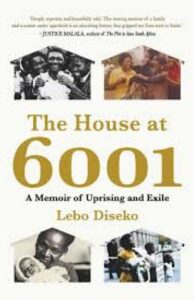
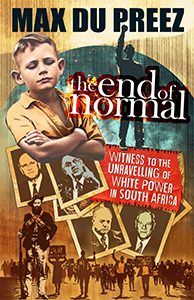
Two powerful books bring this history to life. The End of Normal by Max du Preez tells the story of a young reporter who witnessed the first stones thrown and shots fired in Soweto, tracing his journey from Afrikaner nationalism to an outspoken critic of apartheid. The House at 6001 by Lebo Diseko offers a deeply personal account of resistance, exile, and defiance lived within four Soweto walls, blending intimate memory with historical gravity. We encourage all South Africans to read this book. Hearing the story from inside the four walls of a home, fighting the resistance, lends a raw and real experience to the reader. It felt at times like I was literally on the ground with them.
This Youth Day, don’t just remember – relive. Buy these two inspiring books and carry forward the spirit of courage, dignity, and freedom that defined 16 June 1976. Join the conversation with us in the comments on Instagram